Turn Everyday Habits Into Experiments That Actually Work

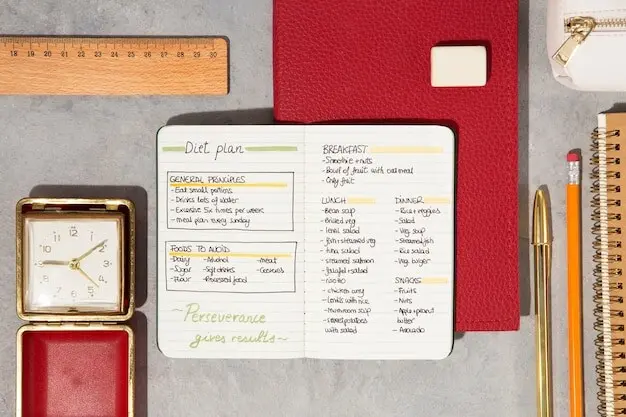
Let’s explore applying the scientific method to personal routines with warmth, curiosity, and practical steps you can try today. We will ask clear questions, form gentle hypotheses, run small experiments, measure honest results, and iterate kindly, transforming ordinary days into reliable progress without burnout or perfectionism.

Start With Curious Questions

From Vague Worry to Testable Question

Trade blurry concerns for precise inquiries that can actually be checked. Instead of saying I am always tired, ask whether a twenty minute midday walk increases late afternoon alertness by two points on a simple scale over fourteen days, controlling bedtime consistency.

Choosing Outcomes That Matter

Pick measures you genuinely care about, not vanity numbers that look impressive while changing nothing important. Energy ratings, sleep efficiency, focused minutes, or post-lunch mood check-ins beat sheer hours logged. Define when and how you will record them, minimizing fuss and maximizing comparability.

Scoping What You Can Actually Change

Constraints deserve respect. Design questions around actions you can repeat amid real responsibilities, not fantasy schedules. Smaller, repeatable shifts create better evidence than heroic overhauls. Set a manageable duration, decide acceptable exceptions, and note context like travel, visitors, or deadlines that might sway results.

Form Hypotheses You Can Live With

Shape predictions that are specific, compassionate, and tied to mechanisms you understand. A good hypothesis names the behavior, expected direction of change, and time window for judging results. Favor reversible, low-risk adjustments so learning continues even when outcomes surprise you.

Design Fair Experiments at Home

Treat daily life like a gentle laboratory, balancing rigor with kindness. Alternate conditions, keep crucial variables steady, and record meaningful surprises. Ensure the plan fits your calendar, then invite curiosity to guide consistent practice so your comparisons become trustworthy and personally actionable.
Choose a few anchors to hold steady, such as bedtime, wake time, and morning light exposure. Keep meals broadly similar during test windows. When life interrupts, log it without blame so later analysis can separate genuine effects from understandable noise or detours.
Avoid mistaking novelty for effectiveness by scheduling A and B days in an alternating pattern or blocks. Counterbalance weekdays and weekends when possible. A short baseline period helps you see natural variation, making any later changes feel clearer, fairer, and easier to interpret.

Measure What Matters, Simply

Tiny, Consistent Instruments

Adopt a few simple scales you can answer in seconds, like energy from one to ten, sleep quality from one to five, and minutes of focused work. Consistency and timing matter more than precision, building a record sturdy enough to guide choices.

Automate the Boring Parts

Reduce friction by letting reminders, wearables, and templates carry administrative weight. Calendar nudges, step counters, and bedtime alarms can feed useful signals while you live your day. The lighter your logging load, the steadier your participation, and the cleaner your eventual conclusions.

Respect Noise and Outliers

Not every spike deserves a proclamation. Expect weird days around travel, illness, deadlines, or celebrations. Use simple visualizations like moving averages and small comparison windows, and annotate irregularities so you remember why a sudden dip appeared before changing routines impulsively.

Look for Direction, Not Perfection

Instead of chasing statistical bravado, ask whether the pattern generally bends the way you hoped across realistic circumstances. A modest, consistent improvement often beats a dramatic, inconsistent one. When in doubt, extend the window, tidy confounders, and see if the trend survives.

Tell the Story Beside the Numbers

Numbers earn meaning when paired with lived experience. Capture what the graphs cannot, like the ease of starting, the joy of movement, or newfound calm before meetings. These notes steer interpretations away from false certainty and toward compassionate, actionable understanding of change.

Decide Your Next Step

Choose to continue, tweak, or stop based on predefined signals, not panic or hype. If results help, institutionalize the behavior. If results hurt, roll back gently. If results are unclear, refine measures or design, then try another brief, well-scoped cycle.

Build a Culture of Ongoing Experiments

Sustained growth emerges from gentle repetition. Protect review time, keep tools simple, and let curiosity guide which question comes next. Share victories and stumbles with trusted friends, then invite accountability and encouragement, remembering that kindness and patience are compounding forces for change.

Rituals That Sustain Curiosity

Create lightweight weekly check-ins to review trends, choose the next small adjustment, and reset baselines when seasons shift. A named guiding question, not rigid rules, keeps experimentation playful. Celebrate attempts, forgive lapse days, and protect recovery so the process remains generous, resilient, and alive.

Community and Accountability

Invite a friend, team, or online group to witness your experiments and cheer your resilience. Share transparent notes, pre-commitments, and reflections. Ask readers to comment with their next question, subscribe for new experiments, and suggest ideas you might test together over the coming months.

Document and Celebrate

Keep a simple archive of questions, hypotheses, and outcomes, along with meaningful anecdotes. A living log highlights patterns across seasons and reminds you how far you have come. Mark wins publicly or privately, reinforcing identity as a curious, adaptive learner rather than a perfectionist.